
Maramureș Weather
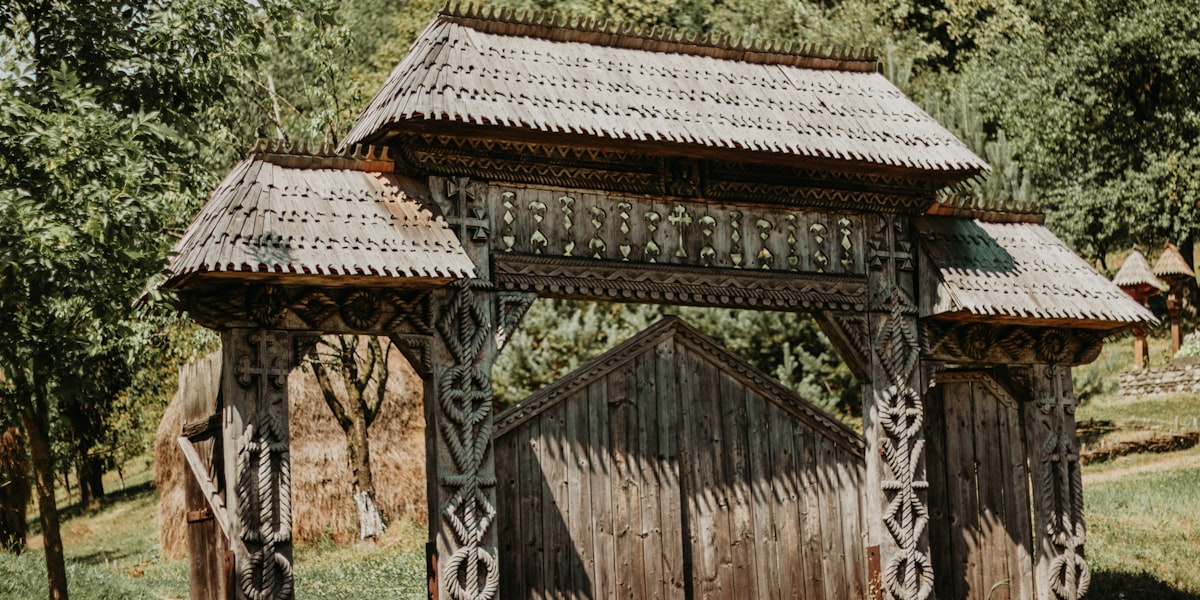
Wooden churches, traditional villages and untouched nature
Maramureș in north-western Romania has a cool, moist climate influenced by the Carpathians. Winters are cold with significant snowfall; summers are pleasant and green.
Monthly average temperatures
Top attractions & activities
Highlights
- UNESCO wooden churches
- Merry Cemetery of Săpânța
- Vaser Valley steam train
- Traditional Maramureș villages
- Izei and Viseu river valleys
- Rodna Mountains hiking
Activities
- Wooden churches
- Rural tourism
- Hiking
- Traditional festivals
- Photography
Explore other regions
Video guide
Frequently asked questions
What is the climate like in Maramureș?
Maramureș in northern Romania has a cool, temperate mountain climate. Winters are harsh (-5 to -10°C) with heavy snowfall. Summers are mild (20–24°C) and green. Spring and autumn are scenic but wet.
When is the best time to visit Maramureș?
June–August offers the most reliable weather for outdoor activities and exploring wooden churches. December–February is magical for traditional Christmas celebrations and winter landscapes, though roads can be challenging.
What is Maramureș famous for?
Maramureș is renowned for its traditional wooden churches (several UNESCO World Heritage sites), the Merry Cemetery in Săpânța, folk crafts, and one of Romania's most authentic rural ways of life.
How cold does Maramureș get in winter?
Winters in Maramureș are cold and snowy — temperatures regularly drop to -10°C and occasionally to -20°C in January. Snow cover typically lasts from December to March.