
Moldavia & Bucovina Weather
Painted monasteries, rolling hills and cultural heritage
Moldavia and Bucovina in north-eastern Romania have a temperate-continental climate with cold winters and warm summers. More rainfall than the west, creating lush green landscapes.
Monthly average temperatures
Top attractions & activities
Highlights
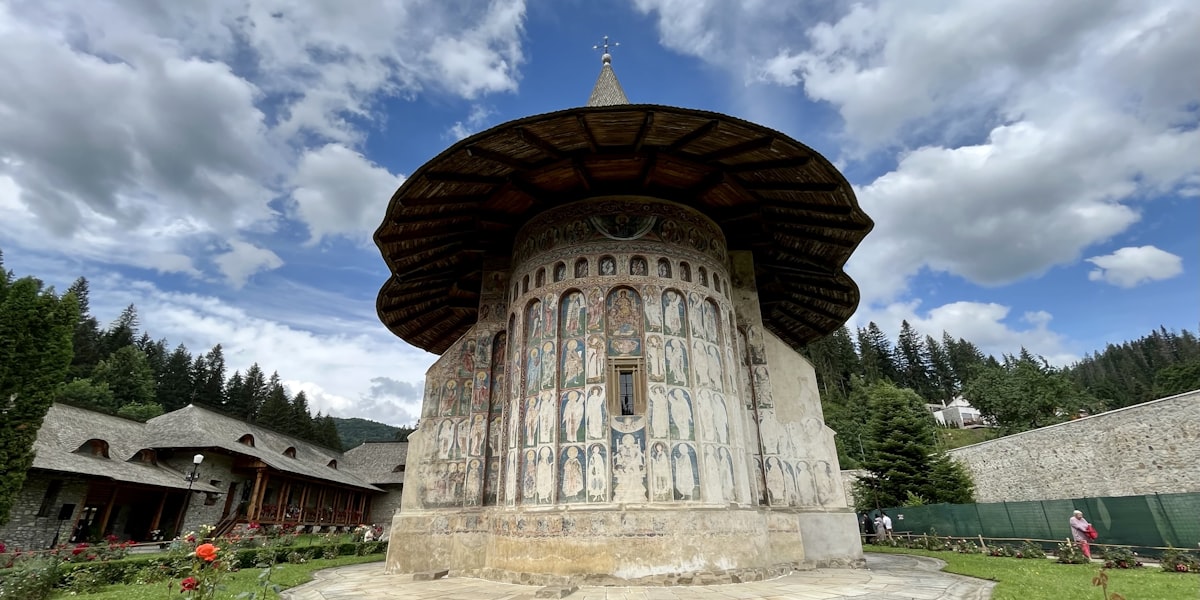
- Voroneț Monastery (the "Sistine Chapel of the East")
- Sucevița Monastery
- Moldovița Monastery
- Iași — cultural capital
- Putna Monastery
- Traditional pottery villages
Activities
- Painted monasteries
- History & culture
- Hiking
- Rural tourism
- Wine tasting
Explore other regions
Video guide
Frequently asked questions
What is the climate like in Moldavia, Romania?
Moldavia (eastern Romania) has a continental climate similar to Bucharest, with hot summers (26–28°C) and cold winters (-2 to 2°C). It's slightly wetter than the south, especially in June and July.
When is the best time to visit Romanian Moldavia?
May–June and September are ideal — warm enough for outdoor sightseeing, with the painted monasteries of Bucovina surrounded by lush green or autumn-gold landscapes. July–August is very hot but manageable.
What are the painted monasteries of Bucovina?
The painted monasteries of Bucovina (Voroneț, Sucevița, Moldovița, Humor) are UNESCO World Heritage sites featuring stunning 15th–16th century exterior frescoes. They're located in the northern part of Romanian Moldavia.
Does it snow in Moldavia in winter?
Yes — Moldavia receives significant snowfall from December to February, particularly in the Bucovina area. Winters can be harsh with temperatures below -10°C in the north.